This manual is the first specialized works introducing Fu’s Subcutaneous Needling to the English-speaking world, published in Oct., 2020, by People's Medical Publishing House, Beijing, China. This publishing house is the top 1 health press.

Fu’s Subcutaneous Needling, FSN, is a modern acupuncture technique which represents a significant step forward in the history of Chinese Medicine. It was invented by Dr Fu Zhonghua, in June 1996, when he worked in an university in Guangzhou as an acupuncture teacher and practitioner, this manual is the culmination of over twenty years of research and practical clinical application.
FSN arose from the necessity of modernizing acupuncture techniques to be appropriate to modern conditions and to the expectations of modern patients. Although FSN developed from traditional acupuncture, its technique and methods of diagnosis are very different. It is not based on traditional syndrome differentiation nor on meridians and it does not use traditional acupuncture needles.
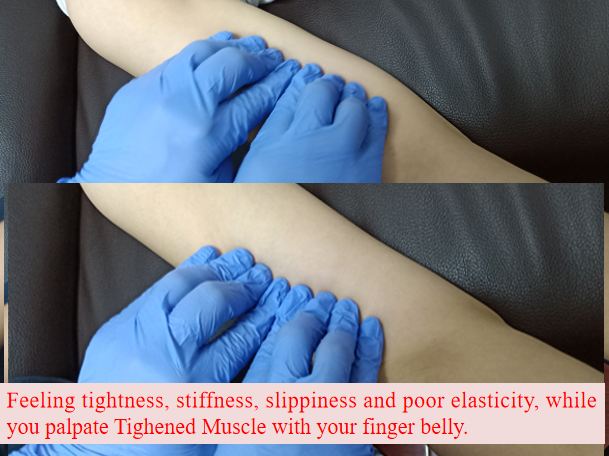
FSN uses a purpose made modified acupuncture needle, the FSN Needle which is used to stimulate the subcutaneous layer to relax Tightened Muscles (TMs). A TM is a muscle with at least one myofascial trigger point (MTrP). When touching the TM, the practitioner will sense that the muscle has a feeling of tightness, stiffness, slippiness and poor elasticity. The location and manipulation of TMs form the basis of an FSN diagnosis and treatment, which is achieved through shallow needling into the subcutaneous layer of the skin.
In contrast traditional acupuncture needles penetrate deeply into the skin, through the subcutaneous tissues, and into muscles or even deeper to touch the bones. Patients may also sometimes experience sensations such as pain, heaviness, or numbness. However, FSN therapy only penetrates shallowly into the subcutaneous layer which is then followed by an horizontal needle insertion. Once the FSN needle is in place in the subcutaneous layer, the needle is carefully moved from side to side, referred to as the swaying movement. The patient is then asked to contract the TM, often against resistance provided by the practitioner who simultaneously performs the swaying movement with the FSN needle. In the beginning FSN was used to treat muscle related conditions but its range has broadened to address a wide variety of medical conditions.
FSN’s growing reputation throughout the world is based on excellent clinical results. In fact, the invention of FSN came about as a result of the necessity of fast effective pain relief. FSN grew from the frustration experienced by the inventor in his early years as a TCM doctor.



